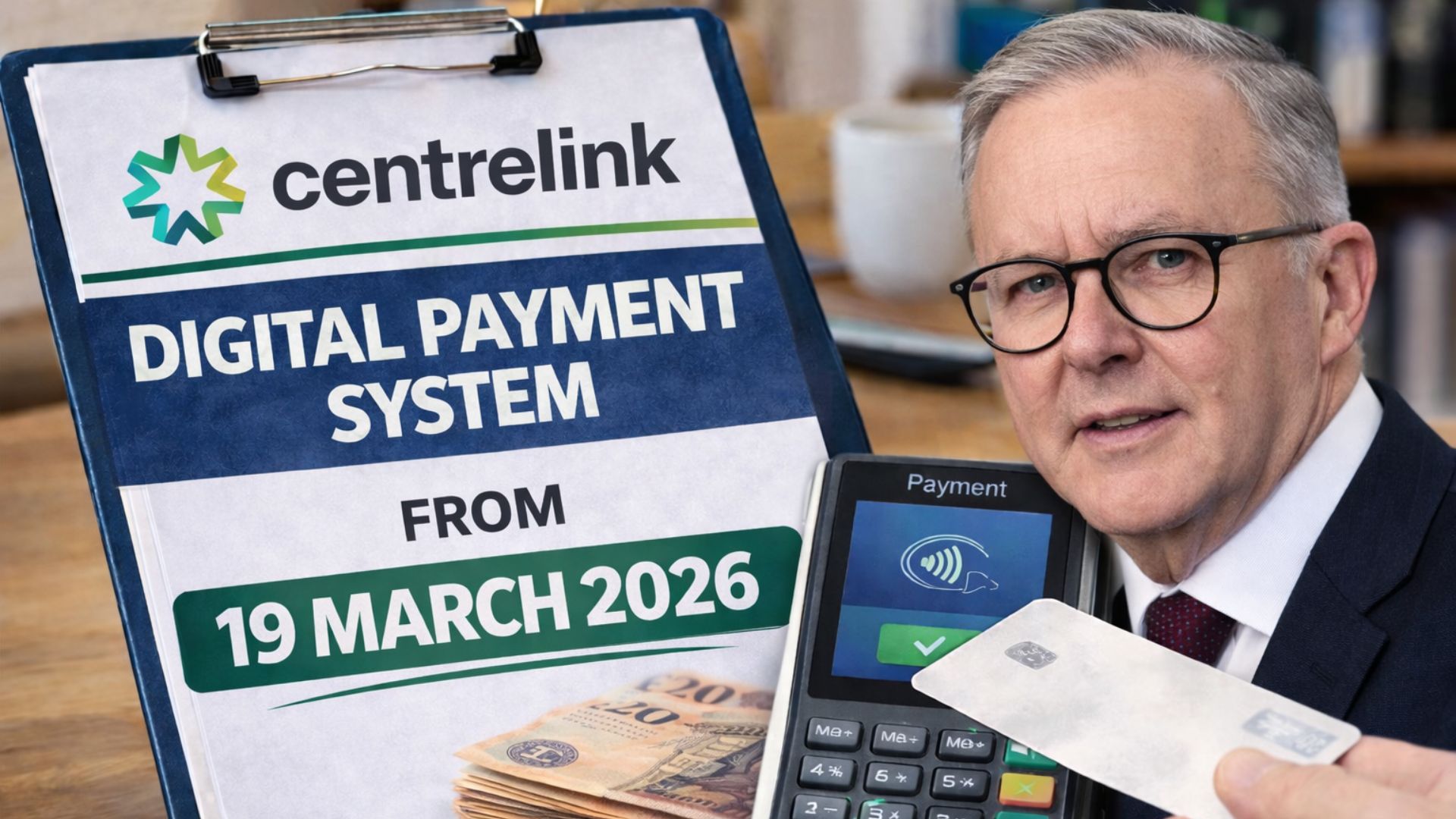
Australians depending on government assistance are set to experience a substantial improvement in the delivery of their benefits. From March 22, 2026, the Centrelink Digital Payment System will be introduced, offering a modernized platform designed to enhance both the speed and reliability of benefit payments. This development promises to ease financial planning and reduce stress for many households that rely on these payments for everyday expenses.
Streamlining Welfare Payments
The Centrelink Digital Payment System marks a significant transformation in how welfare payments are processed in Australia. The new system employs cutting-edge banking technology and automated digital transfers to expedite the flow of funds from government agencies directly into recipients’ bank accounts. By eliminating numerous bottlenecks associated with older payment systems, this update is anticipated to drastically reduce payment delays. This is crucial for families whose budgets hinge on punctual payment arrivals, as even minor delays can lead to financial strain.
Advancing Towards a Modern Welfare Infrastructure
This upgrade represents an essential step towards creating a more responsive and efficient welfare infrastructure within Australia. Government officials describe this move as part of a broader shift towards digital financial services that can better meet the needs of modern society. By transitioning away from outdated transaction methods that often involved prolonged processing times, the new system aspires to offer quicker and more reliable service. The change signifies not only technological advancement but also an increased commitment by the government to support citizens effectively.

Building Trust in Government Services
A key aspect of the Centrelink Digital Payment System is its potential to foster greater trust among recipients in government services. The system aims to provide clearer transaction records and more dependable deposit schedules, thereby enhancing transparency. For beneficiaries who rely heavily on these payments for essential living costs such as rent, groceries, and healthcare, having confidence in when their funds will arrive can significantly alleviate anxiety. This assurance can empower recipients to plan their finances with more certainty, ultimately contributing to better financial stability.
Embracing Digital Transformation
The introduction of this digital payment system reflects Australia’s larger movement towards embracing technology within public services. As numerous government programs increasingly utilize digital platforms to simplify operations and increase accessibility, the Centrelink initiative is a natural progression in this trend. The transition underscores the importance of integrating modern technology into public infrastructure to improve service delivery and citizen engagement.
Impact on Everyday Lives
While discussions about payment processing systems may seem technical or mundane, the implications for everyday life are profound. Many Australians depend on Centrelink benefits not just as supplementary income but as essential financial lifelines that cover basic living costs such as housing, food, childcare, medical expenses, and transportation. Faster deposits mean that recipients can manage their budgets more confidently and avoid the cascading effects of delayed payments. As a result, households can focus less on financial uncertainty and more on other important aspects of life.

The rollout of the Centrelink Digital Payment System represents a pivotal moment for welfare recipients in Australia. By harnessing advanced technology to improve payment speed and reliability, the government is taking significant strides towards supporting citizens in a rapidly evolving digital era.
Disclaimer: This article provides general information about upcoming changes to Australia’s welfare payment system based on available data up until October 2023. It should not be considered legal or financial advice. For specific inquiries regarding individual circumstances or policy details, please consult official government sources or a qualified professional.