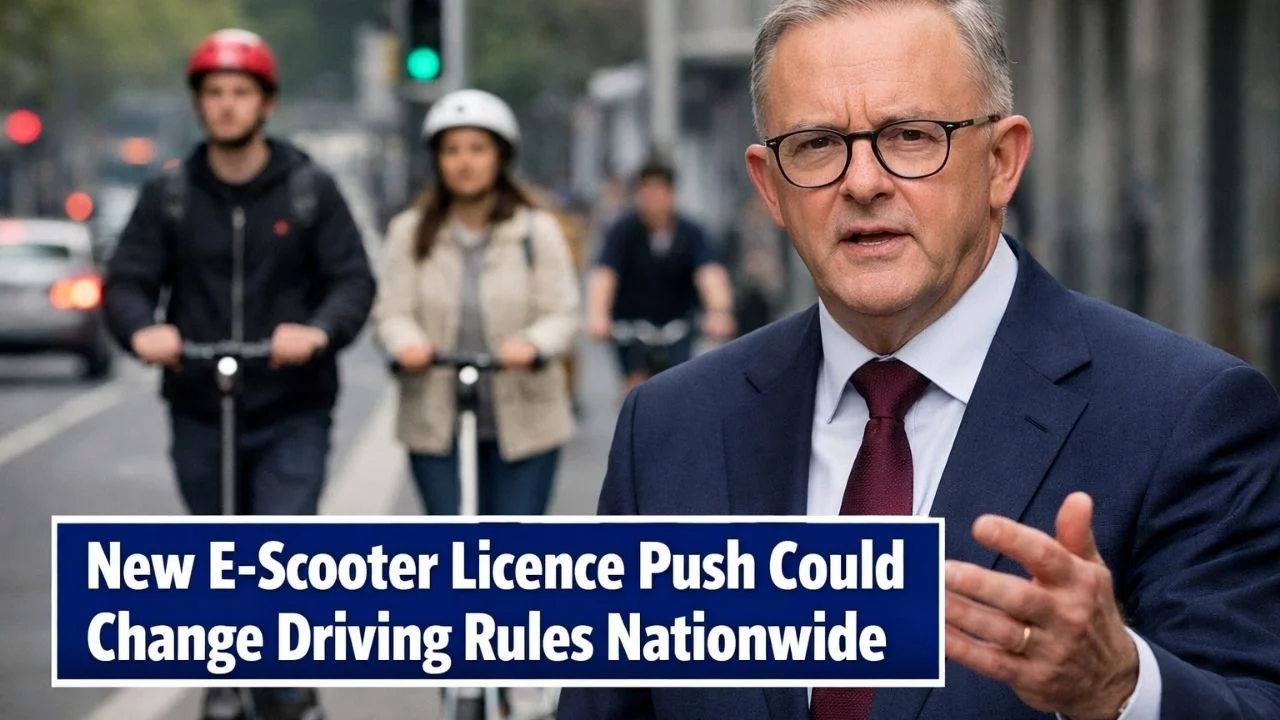
As electric scooters become an increasingly popular mode of transport in Australian cities, the conversation around their regulation has reached a pivotal point. March 21, 2026, marks a significant turning point as policymakers consider introducing a nationwide licensing system for e-scooter riders. This proposal aims to address safety and traffic concerns associated with the rapid expansion of e-scooter use across urban areas.
The Rise of E-Scooters in Australia
E-scooters have quickly transformed from niche recreational gadgets to mainstream transport options in Australia's bustling cityscapes. Their convenience for short-distance travel has made them particularly appealing to commuters and tourists alike. From Melbourne’s city centre to Brisbane's scenic pathways, these electric vehicles provide a time-efficient alternative to traditional modes of transportation. However, this surge in popularity brings along regulatory challenges. Transport authorities are tasked with updating guidelines that were originally designed with bicycles and pedestrians in mind, not electric scooters capable of reaching considerable speeds.
Safety Concerns and Regulatory Gaps
The current e-scooter regulations in Australia are inconsistent, varying significantly from one state or territory to another. While some regions have specific rules governing their use on roads and footpaths, others operate under more relaxed frameworks where licensing is not mandatory. This inconsistency often leads to confusion among riders about where they can legally operate their scooters. Pedestrians like Linda Matthews from Sydney express concerns about safety risks posed by fast-moving scooters on crowded pathways. The absence of uniform regulations exacerbates these safety issues, as e-scooters continue to blur the lines between pedestrian walkways and vehicular roads.

Proposal for a Nationwide Licensing System
In response to growing safety concerns, policymakers are exploring the introduction of a national licensing system for e-scooter riders starting March 21, 2026. Such a system would require individuals to obtain a basic permit or license before using an e-scooter on public roads and pathways. This initiative is not intended to impose heavy administrative burdens but rather to enhance public safety by ensuring riders have the necessary skills and knowledge to operate these devices responsibly.
Transport experts argue that clearer regulations could mitigate potential hazards associated with e-scooters becoming ubiquitous in urban settings. They emphasize that as these vehicles transition from novelty items to everyday transportation tools, regulatory frameworks must evolve accordingly. The licensing proposal also reflects an effort to harmonize the diverse rules currently existing across states and territories, thereby creating a cohesive national standard.
Public Response and Future Implications
The prospect of new licensing requirements has elicited mixed reactions from the public. Commuters like Alex Turner from Brisbane appreciate the convenience that e-scooters offer for daily travel routines, citing their efficiency compared to walking or waiting for buses. On the other hand, some pedestrians advocate for stricter controls to prevent accidents and ensure responsible riding practices.

As transport departments continue monitoring e-scooter usage trends, they remain committed to balancing safety concerns with support for innovation in urban mobility solutions. While no final decision has been made regarding the implementation of a national licensing system, ongoing discussions highlight its potential impact on millions of Australians who rely on e-scooters for their daily commutes.
March 21, 2026, may well become a defining date in Australia's approach to regulating electric scooters if this proposal comes into effect. By aligning policies nationwide and addressing safety issues head-on, officials aim to foster an environment where innovative transport options can thrive alongside traditional ones without compromising public welfare.
Disclaimer: This article is based on information available as of March 21, 2026, and reflects ongoing discussions regarding potential regulatory changes for electric scooter use in Australia. No final decisions have been made at this time; future updates may alter current proposals or implementation strategies.