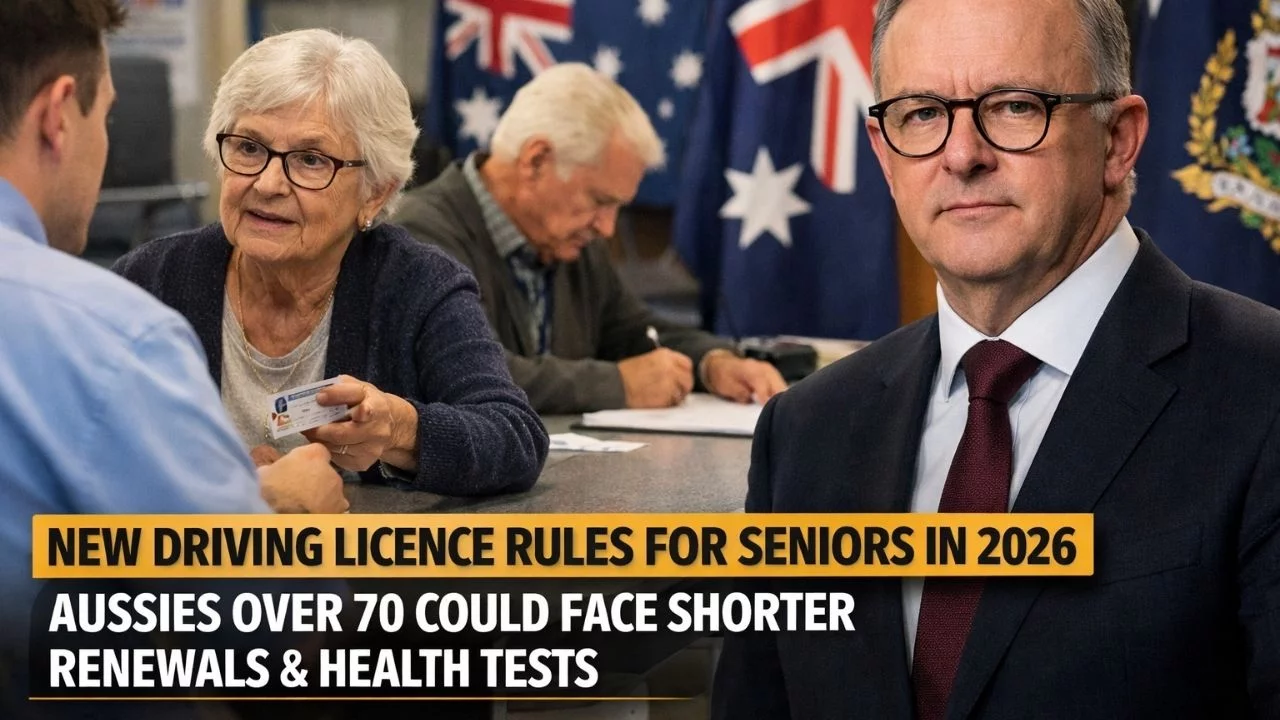
As the calendar turns to March 20, 2026, and the leaves begin to fall in Melbourne, Margaret Collins continues her cherished Tuesday morning routine of driving herself to the local supermarket. For Collins and many Australians over 70, maintaining a driver’s licence is not just about convenience—it symbolizes independence. However, new driving licence rules that are set to take effect soon are poised to reshape the landscape for senior drivers across the country.
Changes on the Horizon
The forthcoming modifications in driving licence regulations for seniors have sparked significant interest and concern among older Australians. As part of broader road safety strategies aimed at adapting to an ageing population, transport authorities in various Australian states are reviewing or implementing stricter conditions for licence renewals among those aged 70 and above. These changes include shorter renewal periods along with mandatory health and vision checks. While these measures may initially seem daunting, they are primarily designed to ensure that senior drivers remain capable and safe behind the wheel as they age.
Diverse State Regulations
One of the complexities facing older drivers is that each state's transport authority has its own set of rules regarding licence renewals, which means requirements can vary significantly depending on where a person lives. In some states, drivers as young as 70 may be required to submit medical declarations during renewal, while in others, these requirements might only apply to those over 75. Such variability necessitates that seniors stay informed about the specific rules applicable in their region to avoid any disruptions in their ability to drive legally.

The Perspective from Seniors
For retirees like Alan Matthews from Brisbane, driving remains an integral part of daily life—whether it’s visiting grandchildren or attending medical appointments. Losing access to a vehicle could mean a substantial loss of independence. Meanwhile, residents like Grace Liu from Perth view mandatory health checks as a logical precaution that could enhance road safety. She acknowledges that simple tests conducted at regular intervals could play a crucial role in maintaining safer roads for everyone.
Transport officials stress that most senior drivers pass these assessments without any issues, emphasizing their role in identifying potential medical conditions that could affect driving capabilities rather than removing seniors from behind the wheel altogether.
Balancing Safety and Independence
Despite concerns about losing autonomy due to these new measures, road safety experts often highlight that older drivers tend to be among the most cautious motorists on Australian roads. Nevertheless, age-related challenges such as diminished vision or slower reaction times can naturally influence driving abilities over time. Regular health assessments provide an opportunity for early detection of these issues, potentially preventing accidents before they occur.

Authorities remain committed to balancing road safety with respect for seniors’ independence by ensuring that any medical conditions affecting road safety are identified and managed appropriately without undue inconvenience.
Preparing for Change
As March 20, 2026 approaches, it is essential for senior citizens and their families to prepare for these impending changes by staying informed about relevant state-specific requirements and engaging openly with healthcare providers regarding fitness-to-drive assessments. By viewing these adaptations as proactive steps towards safer roads rather than limitations on personal freedom, both seniors and society at large can benefit from improved road safety outcomes.
Disclaimer: This article provides general information based on current trends and regulations as of March 20, 2026. Individual circumstances may vary; consult local authorities or legal advisors for guidance tailored to your situation.