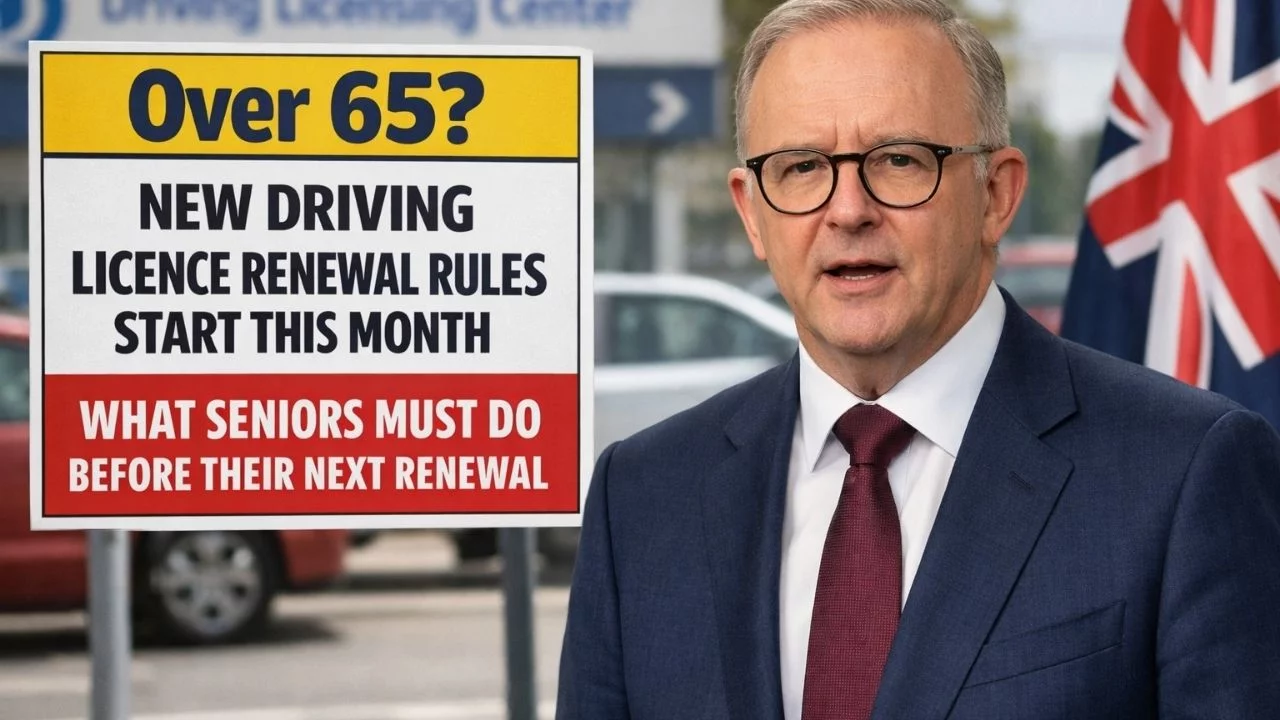
For millions of older Australians, driving is more than just a way to get from point A to point B. It's a symbol of independence and an essential part of staying connected with everyday life, whether that's visiting family, attending medical appointments, or simply running errands. However, starting March 18, 2026, new driving licence renewal rules are set to take effect for Australians over 65. These updated regulations introduce additional checks and requirements aimed at improving road safety while allowing seniors to continue driving if they remain medically fit.
Understanding the New Rules
The new driving licence renewal rules for seniors represent a significant change in how older Australians will maintain their driving privileges. Transport authorities have crafted these regulations with the dual goals of ensuring that all drivers remain capable of safely operating vehicles and preserving the independence that driving affords many older adults. For drivers over the age of 70, this could mean facing shorter renewal periods coupled with mandatory health assessments.
Road safety experts support these changes as a means to enhance safety on Australia's roads. David Clarke, a noted expert in this field, pointed out that such medical checks are already common practice in various countries worldwide. The idea is not to penalize older drivers but rather to ensure they can safely stay on the road without compromising their health or that of others. This initiative underscores the broader demographic shift happening in Australia as its population ages rapidly and the proportion of older drivers continues to grow.

Medical Assessments: What Seniors Need to Know
One of the key components of the new regulations is the requirement for periodic medical assessments for drivers aged 65 and over. These assessments aim to verify that senior drivers remain physically and mentally capable of handling a vehicle safely. While some seniors welcome this measure as a reasonable step towards safer roads, others express concerns about potential impacts on their ability to drive.
Retiree Alan Roberts from Sydney sees the medical assessments as a logical step. He has been driving for decades and expresses confidence that if his doctor deems him fit to drive, then participating in such assessments is not overly burdensome. On the other hand, seniors living in rural areas like Margaret Young from regional Queensland voice apprehension about losing their driving privileges due to limited public transportation options available in their communities.
Balancing Safety and Independence
Transport authorities have emphasized that the new rules strive to strike a balance between ensuring public safety and maintaining the independence that many seniors value so highly. Older drivers often bring extensive experience and cautiousness to their driving habits, traits which contribute positively to road safety. A spokesperson from the transport department highlighted that these measures are carefully designed not only to keep seniors safe but also to preserve their mobility.

Margaret Young’s situation is a prime example of why maintaining access to personal transportation is crucial for many elderly Australians living outside urban centers. In areas with scant public transport options, having a car can be indispensable for managing daily tasks or accessing healthcare services.
Future Implications for Seniors
As these changes roll out on March 18, 2026, seniors must prepare by understanding what will be required during their next licence renewals. It’s important for them to keep abreast of how these updates may affect their everyday lives and what steps they can take now to ensure compliance when it comes time for renewal.
Transport officials urge senior drivers and their families to be proactive in approaching these changes by consulting healthcare professionals early on about any health conditions that might impact driving abilities. Staying informed and prepared helps ensure that senior Australians can continue enjoying the benefits of driving without unnecessary interruptions or concerns over safety compliance.

In conclusion, while these changes represent adjustments for many older Australians, they also reflect broader efforts toward maintaining safe roads while respecting individual autonomy and freedom.
Disclaimer: This article provides general information regarding upcoming regulations affecting older drivers in Australia as announced by transport authorities but should not be used as legal advice. Seniors should consult directly with official resources or healthcare professionals regarding specific requirements related to their circumstances when renewing their licences.